



Blog
What Float Value Actually Means in CS2

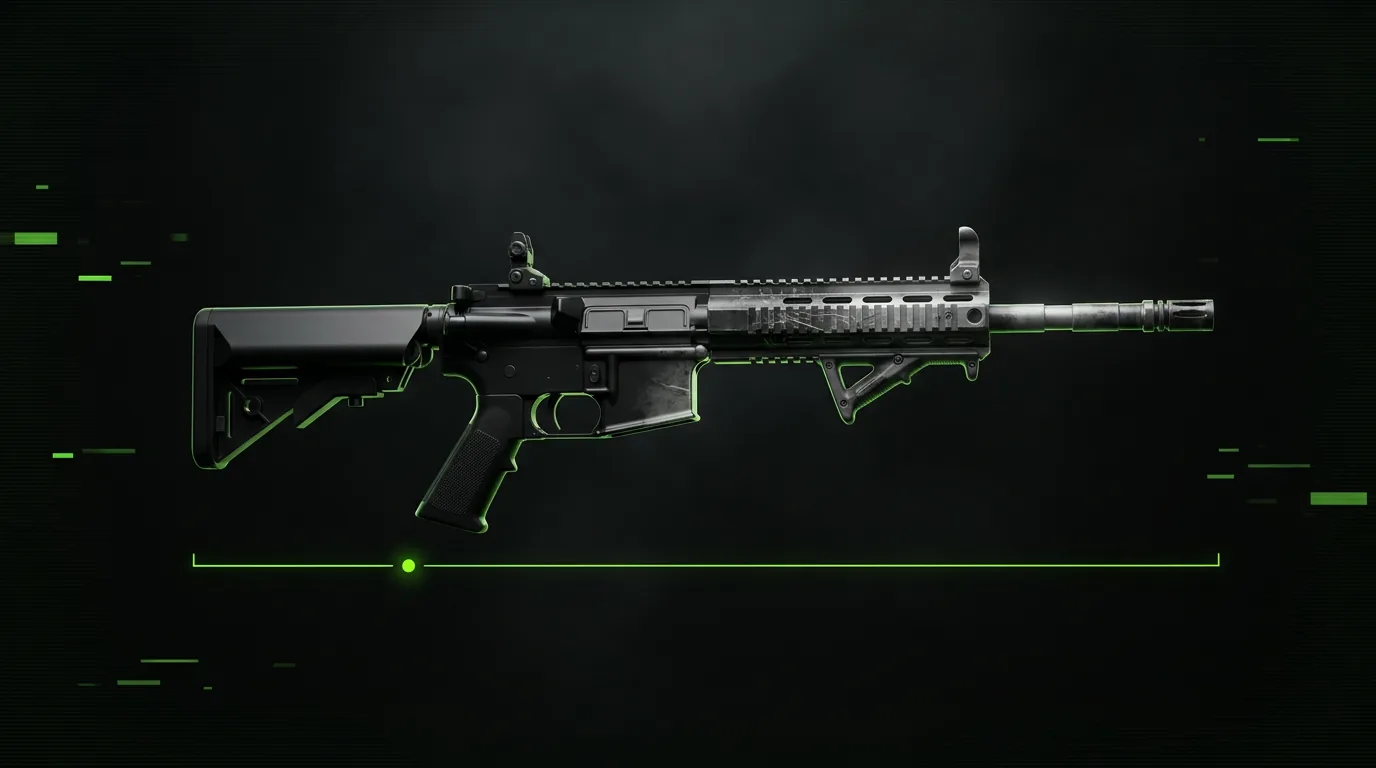
Every skin in Counter-Strike 2 carries a hidden decimal called the float value. It sits between 0 and 1, it never changes after the item is created, and it is the single number that decides how battered your weapon looks in game. Understanding it is the difference between buying a skin and buying a specific skin.
Where the number comes from
When an item is generated, the game rolls a float inside the range the skin’s creator defined. Most skins use the full 0.00–1.00 span, but plenty are capped. A skin with a minimum float of 0.10 can never exist in Factory New condition, no matter how many cases you open. That is why some skins are only ever seen in Field-Tested or worse.
The roll happens once. The number is then frozen to the item for as long as it exists, which is what makes it useful as an identifier: two AK-47 Redlines with different floats are genuinely different objects, not two copies of the same thing.
What float changes visually
Float drives the wear texture layered over the skin’s artwork. At the low end the finish is clean and the paint reaches the edges. As the number climbs, scratches spread from corners and raised surfaces, colours fade, and bare metal starts to show through. On a dark skin the effect is subtle. On a bright, flat finish like Asiimov or Neon Rider it is obvious across the whole weapon.
The important detail is that wear does not spread evenly. Each skin has its own wear map, so a 0.25 float on one weapon can look worse than a 0.35 on another. Judging by the number alone is a habit worth breaking — look at the item.
Float and the exterior label
The exterior you see in the store is just a bracket applied to the float:
- Factory New — 0.00 to 0.07
- Minimal Wear — 0.07 to 0.15
- Field-Tested — 0.15 to 0.38
- Well-Worn — 0.38 to 0.45
- Battle-Scarred — 0.45 to 1.00
Field-Tested covers a huge stretch, which is why two Field-Tested copies of the same skin can look nothing alike. A 0.16 sits right against Minimal Wear; a 0.37 is one step from Well-Worn. If you only read the label you are ignoring most of the information.
When a low float is worth paying for
Low floats carry a premium, and sometimes it is deserved. It is worth paying for when the skin has large flat painted areas that show scratches immediately, when you are buying something you intend to keep, or when the float is low enough to be genuinely scarce — under 0.01 on a skin that rolls the full range, for example.
It is usually not worth it when the skin is dark or heavily patterned, when the difference is a couple of hundredths inside the same bracket, or when the price gap buys you a better skin one tier down. A 0.16 Field-Tested at half the price of a Minimal Wear is one of the best trades in the game.
How to check before you buy
Every listing on VortexSkins shows the float to four decimals with a wear bar marking where it falls inside the bracket. You can filter the catalogue by an exact float range and sort from lowest to highest, so you can go straight to the cleanest copies of a skin instead of clicking through pages.
The habit worth building is simple: read the number, look at where it sits in its bracket, then look at the image. If all three agree, you know exactly what you are buying.