



Blog
Pattern Index: Why Two Identical Skins Look Different

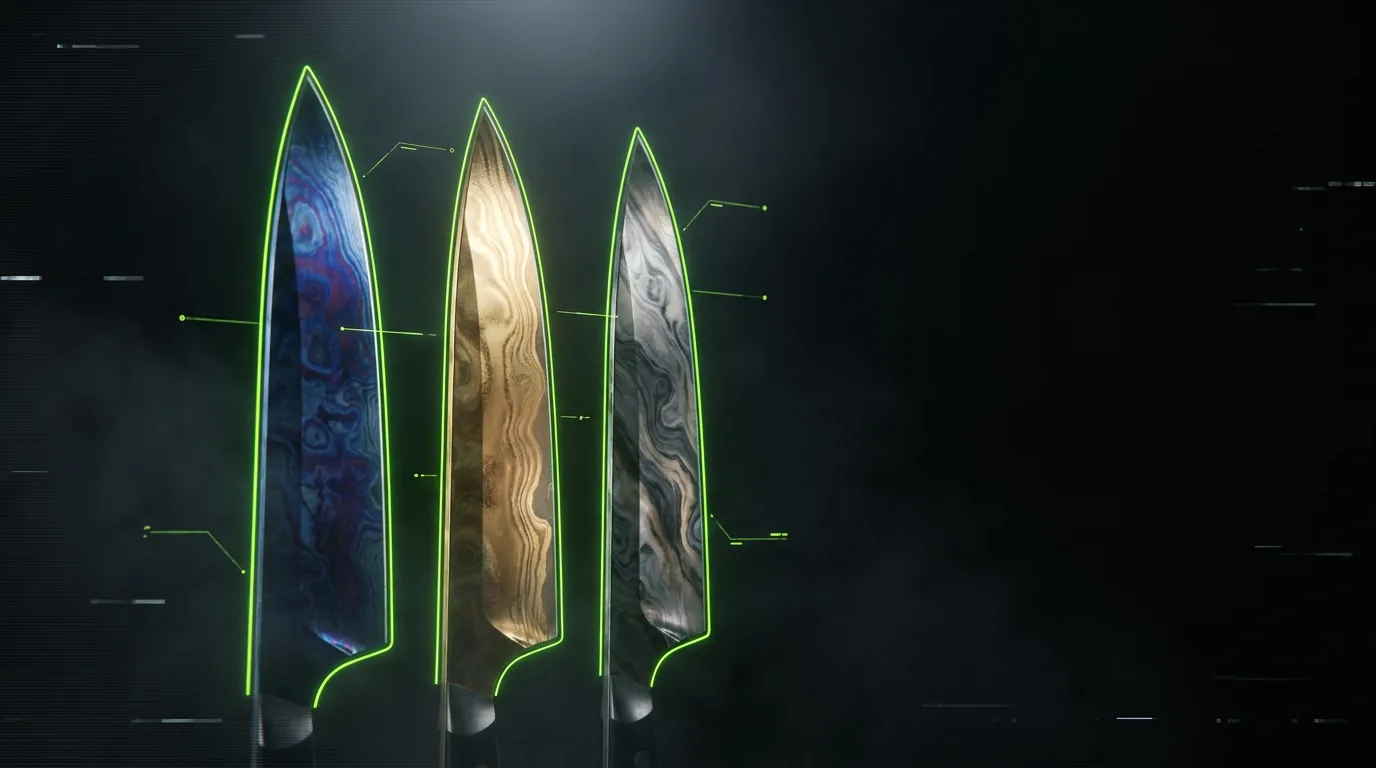
Two Factory New copies of the same skin, both at 0.01 float, can look completely different and be priced ten times apart. The reason is a second hidden value: the pattern index, a number from 0 to 1000 that decides how the skin’s texture is positioned on the weapon.
What the number does
For most skins the texture is applied the same way every time and the pattern index does nothing visible. For skins built on a randomised or tiled texture, the index shifts and rotates that texture — meaning the colours that land on the visible faces of the gun change entirely.
Like float, the index is rolled once at creation and frozen forever.
Where it matters most
- Case Hardened — the classic example. The texture is a randomised heat-treatment pattern in blue, gold and purple. A handful of indexes put almost pure blue on the visible side of the weapon; those are the famous “blue gems” and they trade for many times a normal copy.
- Doppler and Gamma Doppler — the index determines the phase, from the common blues and pinks up to Ruby, Sapphire and Black Pearl.
- Fade — the index sets how far the gradient runs along the weapon, quoted as a fade percentage. 100% fades are the target.
- Marble Fade — determines how the red, blue and yellow sections distribute, with “Fire and Ice” being the sought-after arrangement.
- Crimson Web — decides where the web centres sit. Several webs on the visible face is the good outcome.
How pattern and float interact
They are independent, and the market treats them independently. A high-tier pattern in Battle-Scarred can be worth far more than a perfect Factory New with a plain pattern. On Case Hardened knives in particular, buyers routinely accept heavy wear to get the blue.
This is the main reason to look at the actual images of the item rather than a stock render. On pattern-driven skins the stock image tells you nothing.
Practical advice
If you are buying a pattern-sensitive skin, decide first whether you care about the pattern. If you do not, buy the cheapest acceptable float and ignore the premium listings entirely — you get the same skin for much less. If you do care, look at every image, compare against the known pattern tiers for that skin, and treat the float as secondary.
Every listing on VortexSkins shows real images of the specific item alongside its float, exterior, rarity and quality, so you can judge both numbers and appearance before committing.